ENDOMETRIOSIS: A RIDDLE WRAPPED IN A MYSTERY!
Endometriosis is one of the most common gynaecological diseases of the reproductive age group. Inspite of being such a common disorder, it is still an enigma for all clinicians! It is known to affect approximately 10% of women of reproductive age.
If you have been experiencing severe period pain to the point of missing out on your daily routine, you might be suffering from endometriosis. Along with debilitating period pain, other symptoms include painful intercourse, painful bowel movements and chronic fatigue. The repercussions of endometriosis on fertility are equally troublesome.
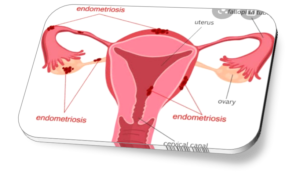
Dealing with endometriosis, including the impact on your fertility, can be incredibly challenging. So what exactly is this mysterious disease? To answer this question, we will have to start with a little anatomy lesson.
The word ‘endometrium’ refers to the lining of your uterus. In endometriosis, this tissue is found growing outside the uterus (on the ovaries, tubes, bowel & bladder), where it shouldn’t be! It typically develops when your menstrual bleeding can go awry, causing backflow of blood into the pelvis. Just like the endometrium in the uterus, this tissue responds to the reproductive hormones that direct your menstrual cycle. Each month, these hormones prepare the uterus in anticipation of a pregnancy. If this doesn’t occur, the endometrium breaks down and bleeds (PERIOD).
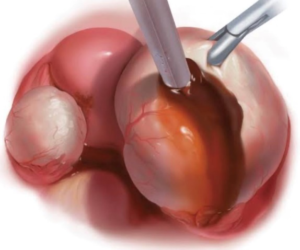
Similarly, the tissue growing outside the uterus also breaks down and bleeds causing inflammation and cyst formation, also known as the “chocolate cyst”. The reason it is so called is because the colour is derived from the collection of old menstrual blood, giving it a melted chocolate kind of appearance. Chocolate cysts can be found in one or both the ovaries.
Endometriosis can also lead to adhesion formation, wherein there is formation of scar tissue on the internal organs, in response to the inflammation. These adhesions lead to tugging type of pain and dysfunction of the normal internal anatomy.
Eventually, the following mechanisms are disturbed leading to infertility.
- Pelvic adhesions inhibit movement of the egg down the fallopian tube.
- Poor quality eggs/ Anovulation.
- Formation of endometrial cysts, also called “chocolate cysts”
- Inflammation & Chemicals produced by the endometrial lesions, which affect the reproductive environment, the sperms and the embryos.
- Immunologic dysfunction leading to unexplained infertility.
What Symptoms Will You Experience?
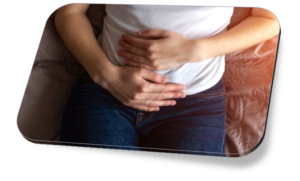
Extremely painful menstrual cramps, usually before or after periods which
can linger all month.
- Painful intercourse due to scarring of tissue.
- Painful urination/ Painful bowel movements.
- Heavy/long periods
- Unexplained infertility.
Getting To a Diagnosis.
Endometriosis is a ‘work in progress’ that is constantly evolving. Some women may not have any symptoms, except difficulty in getting pregnant. It can often come as a ‘surprise’ diagnosis discovered only during laparoscopy, which currently is the only confirmatory way to reach to its diagnosis. Laparoscopy is a procedure in which the doctor inserts a tiny camera inside your body through a tiny cut in the skin. This helps get rid of the chocolate cysts and relieve the adhesions between organs. Symptoms, examinations and sonography can strongly suggest the presence of the disease, but surgery is the ‘Gold standard’ method.
By arming yourself with knowledge, a delayed diagnosis can be avoided.
Once diagnosed, it is classified as minimal, mild, moderate and severe.
But Is There A Cure?
Unfortunately, there is no permanent cure for this disease; but it can be kept well under control. Research into its risk factors, causes and potential preventive measures is still ongoing!
How Do We Treat This?
Treatment choices vary, depending upon the severity of the disease. Various factors like age, duration of infertility and symptoms help decide the course of treatment. The course of action is taken after considering the number and the quality of the existing eggs in your ovaries.
Medical treatment which includes use of contraceptive pills & hormonal injections have limited effectiveness and help us in curbing the progression of the disease.
In women who ovulate normally, use of IUI (Intrauterine insemination) along with fertility drugs is justified.
Women with advanced age/severe disease are already facing rapidly ticking biological clock. For such patients, IVF or test tube baby is the most effective way to bypass all the barriers and get the best result.

Do All Endometriosis Patients Need Surgery?
Surgery is carried out by Laparoscopy in order to restore your normal anatomy of reproductive organs and get rid of endometrioses or chocolate cysts. We advise such patients to try and conceive as soon as possible (IVF being the best option), post-surgery as surgical excision of such lesions significantly improves fertility.
How Egg Freezing Acts as a Saviour In Unmarried Women?
Because endometriosis puts women at risk for ovarian damage, women who aren’t yet ready to get pregnant are excellent candidates for Egg freezing. It’s best to freeze your eggs at a young age, when the disease is in a early stage. Later, these same eggs can be used for IVF, even in the face of advanced endometriosis.
As always, you should always discuss your unique case with your doctor and pursue the best-suited fertility treatment for having a healthy baby….or two!